 SensorTech4Health
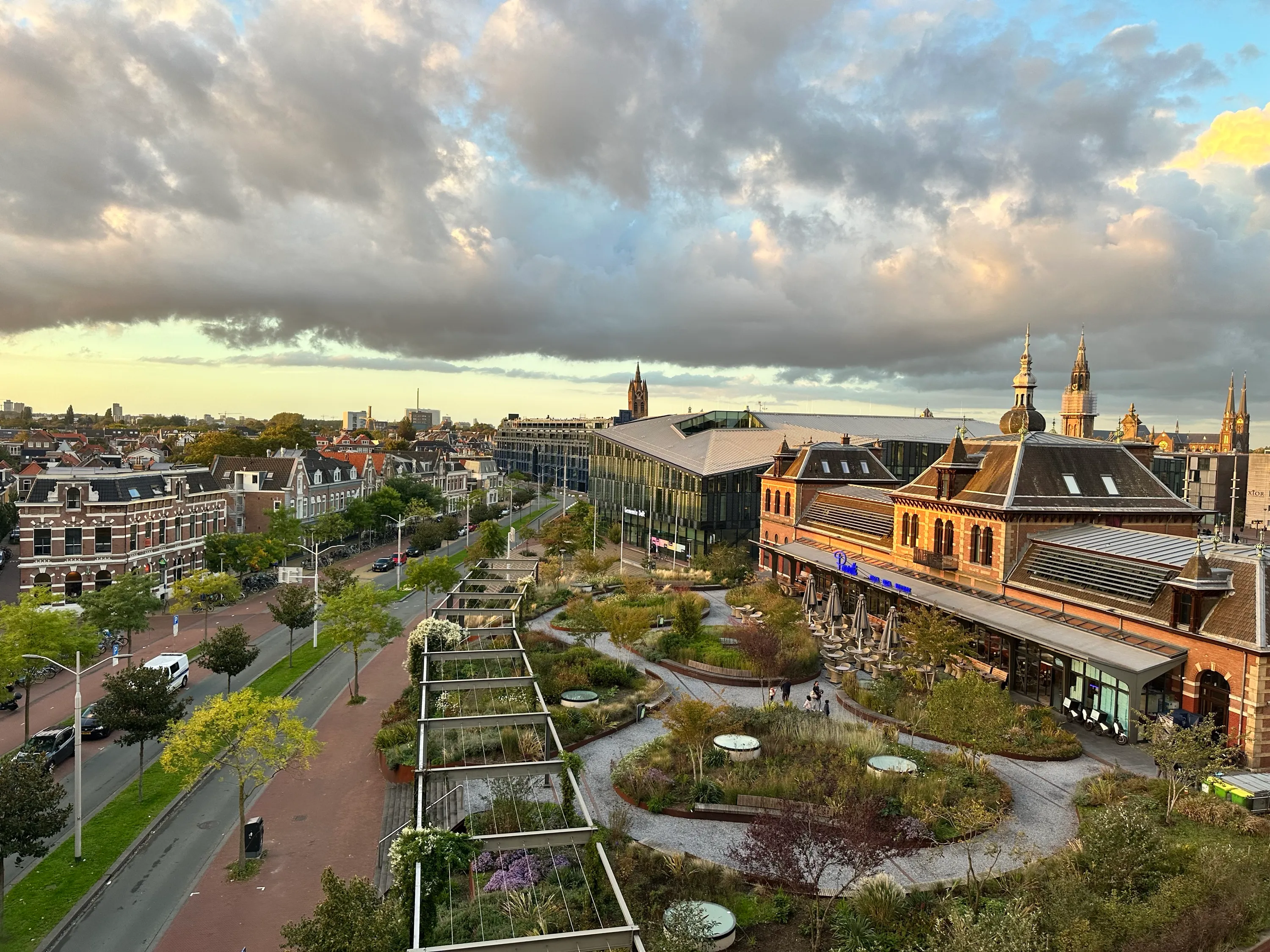
This October, the ST4H (SensorTech4Health) consortium traveled to Delft for two days of in-person exchange. Representatives of all consortium partners took part in the General Assembly, which was hosted by our project partner VSParticle at their headquarters.
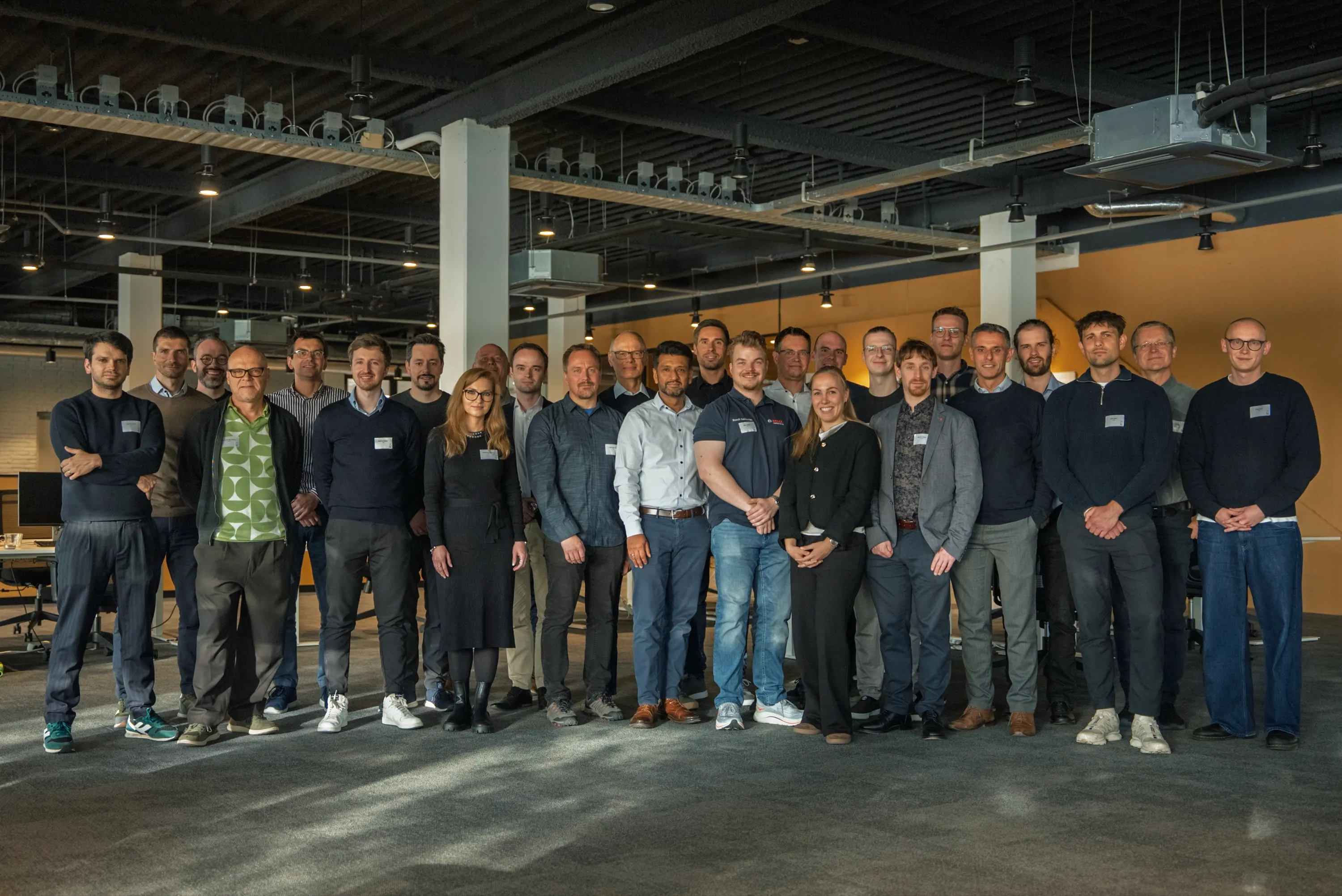
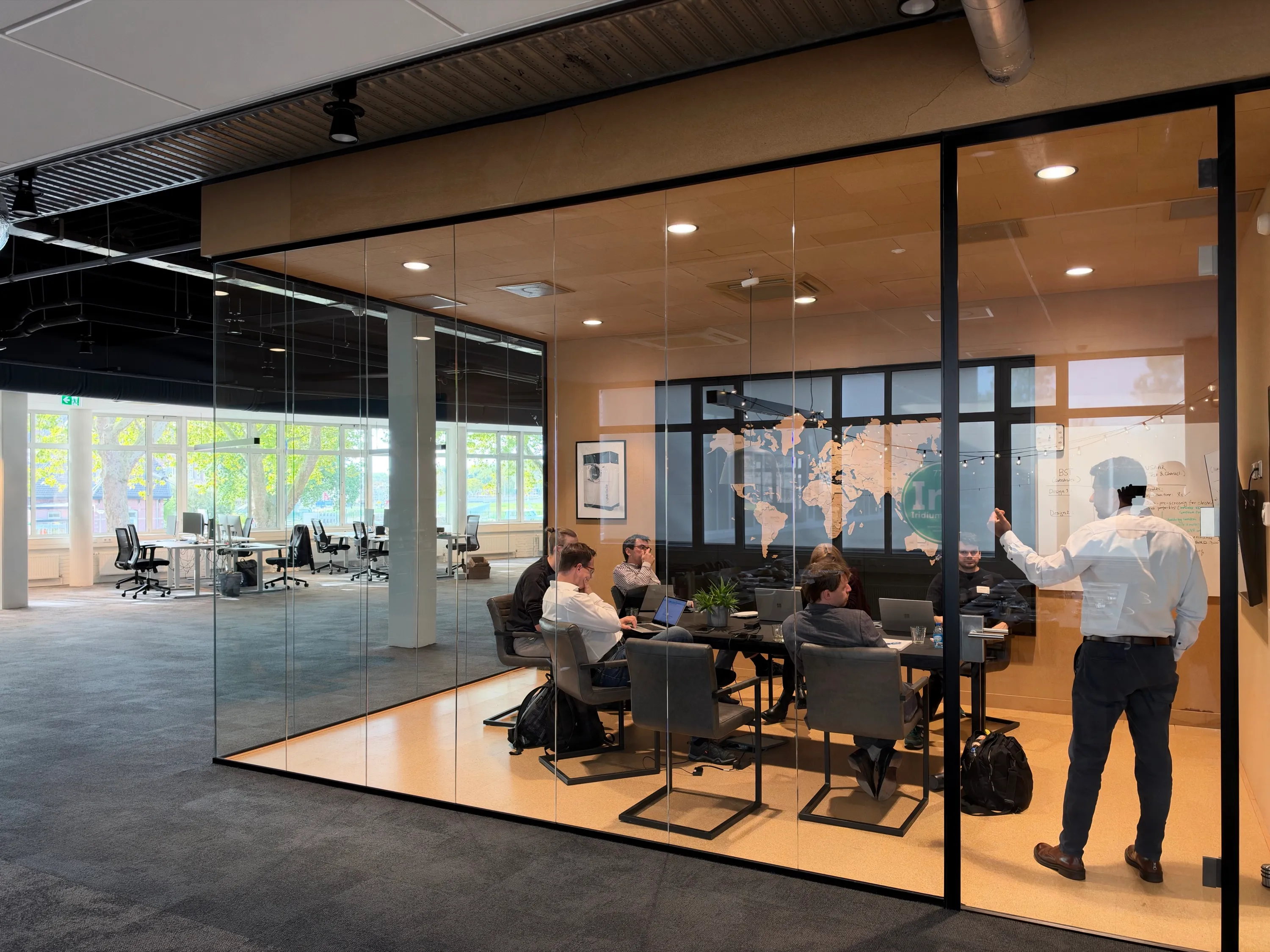
Progress across the four research fields
The core of the agenda was dedicated to updates from the four ST4H research fields. A few examples illustrate the range of work underway. In the Hearing Support research field, sensor development activities have been initiated to support future generations of hearables and implantable hearing solutions, with the aim of enabling both improved and entirely new use cases. The team focusing on Health Monitoring has begun work on a new gas sensor that aims to measure biological parameters when integrated into wearables. In Non-Intrusive Home Care, the team launched a user study combining a quantitative survey with qualitative in-depth interviews with relatives of elderly people living at home. The team focusing on Sleep Monitoring has designed and installed a measurement setup using multiple sensor technologies at the sleep lab of the University of Freiburg, where the sleep study is about to start.
Beyond the individual research fields, the consortium has defined an overarching system concept. It describes how the solutions developed in ST4H share hardware and software components and work together as a product ecosystem, guided by common goals and design principles.
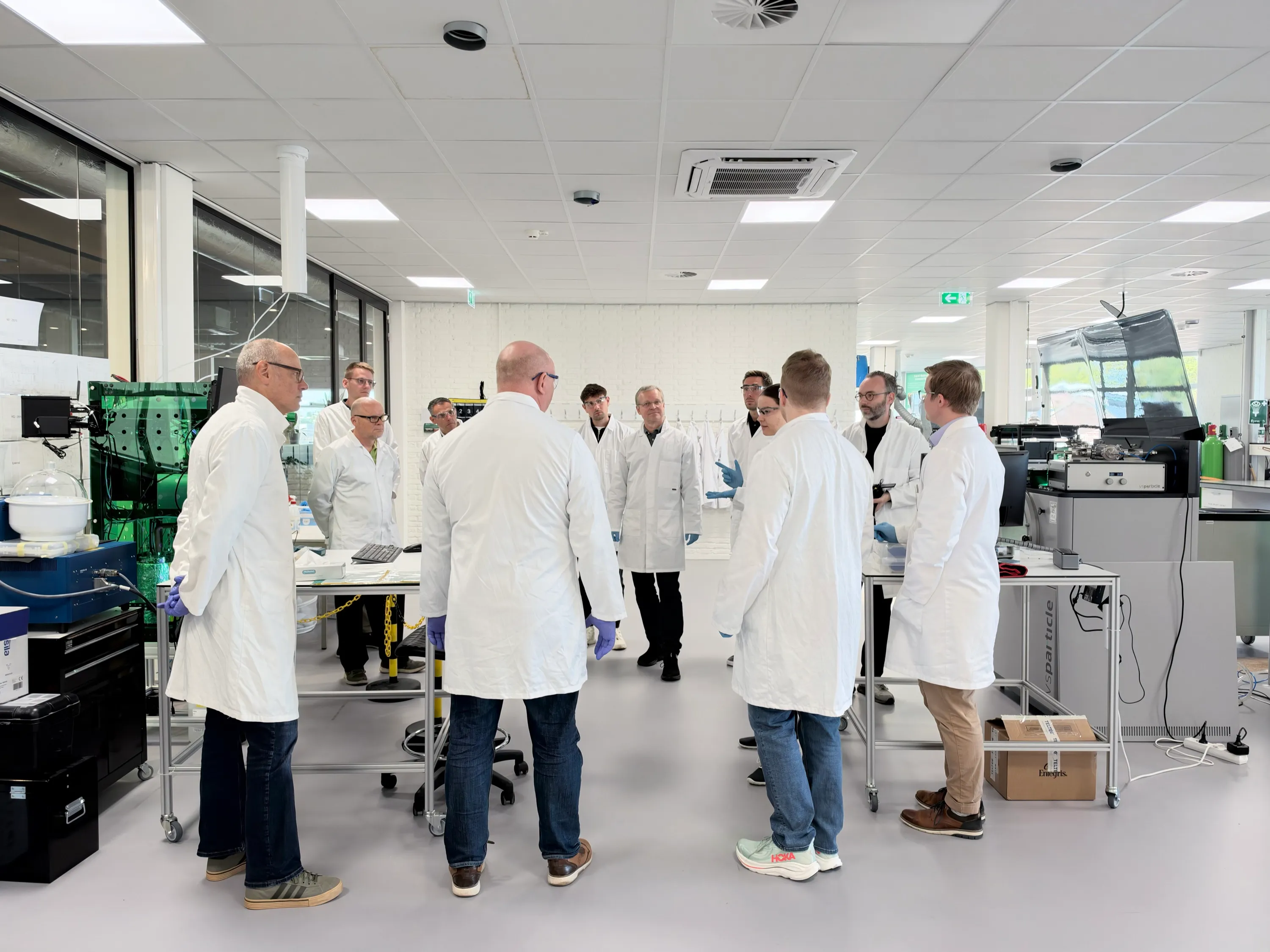
A look inside the VSParticle labs
A highlight of the meeting was a guided tour through the VSParticle labs. Within ST4H, VSParticle leads the development of new sensing layers for gas sensors. Using its own solvent-free deposition process, the team creates nano-porous layers from a wide range of materials. Seeing the equipment and processes firsthand gave the consortium a tangible impression of this part of the project.
Time to connect beyond the project
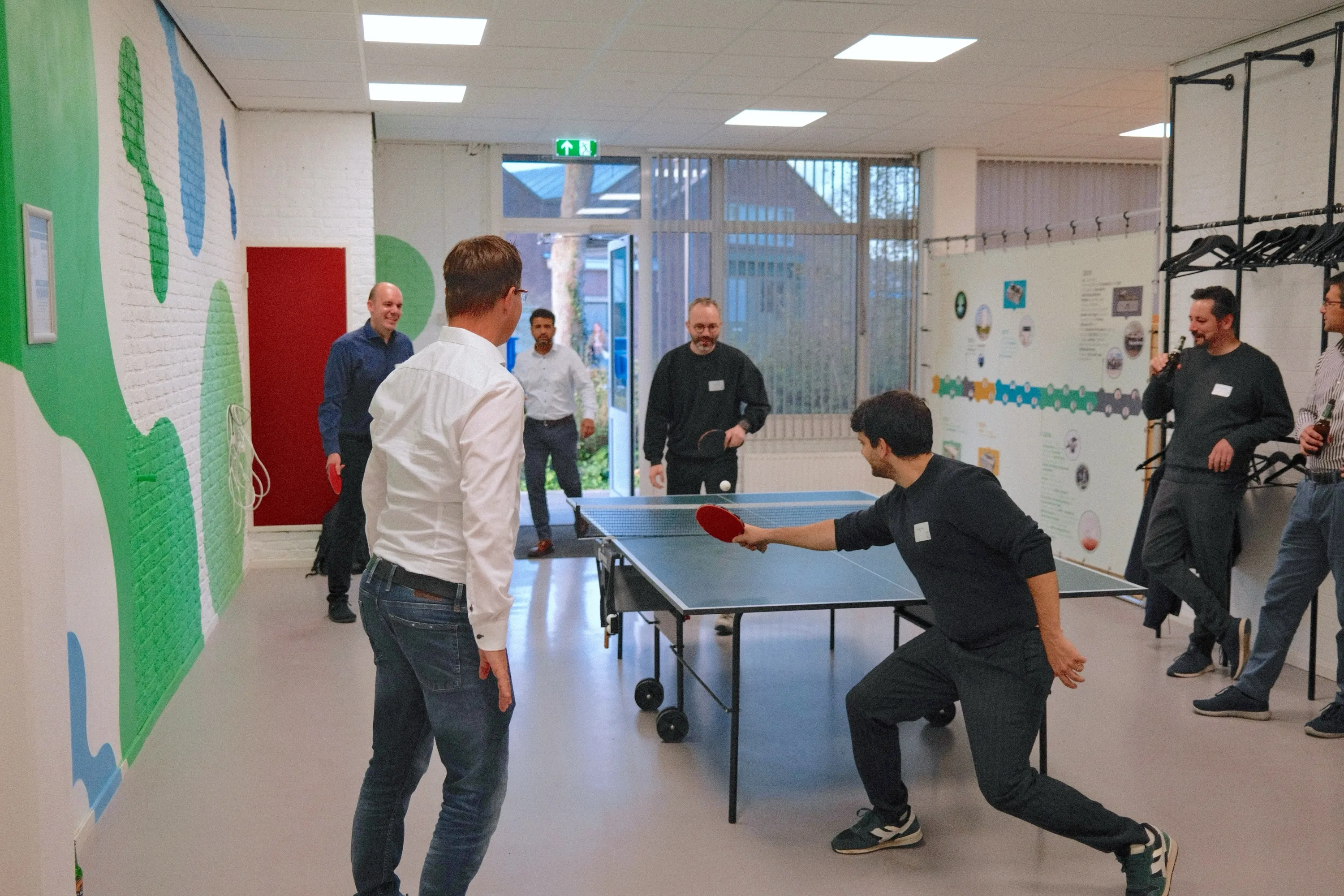
Meeting in person also means time together beyond the agenda. A table tennis session and a joint dinner gave everyone the chance to get to know each other better and to continue conversations in a more relaxed setting. In a consortium that usually collaborates across borders and video calls, these moments are just as valuable as the working sessions.
We would like to thank VSParticle for being such a welcoming host and for organizing two productive days in Delft. We look forward to building on the results of the meeting in the months ahead.