SensorTech4Health
SensorTech4Health (ST4H) addresses major pain points in current consumer health products by using innovative sensing solutions.
By developing application-specific electronic components and intelligent systems, significant innovations become possible—primarily benefiting those in need, while also contributing to societal improvements targeting cost-effective healthcare solutions. These include, (1) enhanced hearing experiences via smaller, safer and smarter hearing devices like hearing implants, hearing aids and earphones, (2) wearable and bedside devices allowing continuous monitoring of health and well-being status to provide actionable insights, and (3) smart home devices facilitating long-term independent lifestyles.
ST4H brings industrial players in manufacturing hearing implants (COCH), and sensor & AI technology (BOSCH group), together with device makers for consumer health in wearable devices (PO), truly innovative start-ups in the field of modern semiconductor process technology (VSP) & digitalization (INT), accompanied by highly renowned, scientific experts in measurement technology (USAAR) and clinical neurophysiology (UFR). The consortium is strategically configured to strengthen the European and global market by leveraging the industrialization of project outcomes to generate significant economic benefits in 2031: 110-150 M€ additional revenue for digital sensor solutions, and 240M€ for hearing implants.
8 Partners
Renowned partners from industry and academia.
4 Countries
Belgium, Finland, Germany and the Netherlands.
36 Months
Project duration (2026–2029).
109 PY
More than 36 persons on average working for three years on this project.
8 partners from 4 countries collaborate in a joint effort.
Partners and associated partners in alphabetical order:







Connecting 4 Megatrends
Silver Society
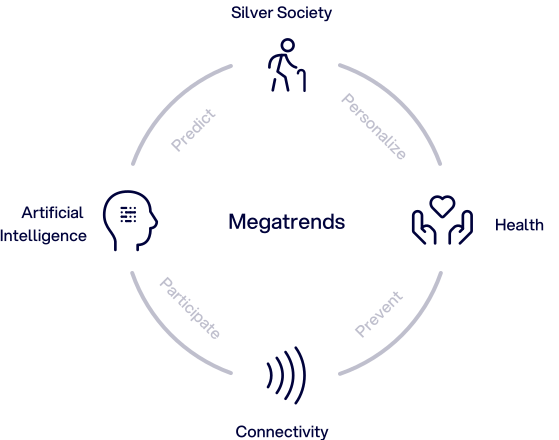
The world is getting older, with people aiming to stay fit for longer. The megatrend Silver Society describes the far-reaching impacts of demographic change. In 2022, more than 20% of the EU population was already aged 65+, and by 2050 the retiree-to-worker ratio will rise significantly as Europe continues to age. Globally, the 65+ population is projected to more than double, from 727 million in 2020 to 1.5 billion by 2050. While this shift poses major social, economic, political, and healthcare challenges, it also creates opportunities for renewed socio-cultural vitality. Successfully managing the demographic transformation requires adapting these systems to ensure quality elderly care while ensuring that younger generations age healthier.
Health
In recent years, health has become a fundamental value and is increasingly associated with a high quality of life. As a central life goal, this megatrend influences how people live, work, and consume, shaping nearly every aspect of society.
Artificial Intelligence
AI as a Megatrend is revolutionizing numerous fields by enhancing efficiency, personalization, and decision-making. Its application spans from autonomous vehicles and healthcare to smart homes and financial services. Beyond its technological evolution, AI also raises significant ethical considerations related to privacy, explainability, job displacement, and security.
Connectivity
The megatrend Connectivity describes the underlying, and arguably the most dominant pattern of social change in the 21st century: networking enabled by digital infrastructure. Connected communication technologies are fundamentally changing the way we live, work, and conduct business. They reshape socio-cultural norms and give rise to new lifestyles, behavioral patterns, and business models.
Connecting these Megatrends can reinforce the P4 healthcare approach focusing on prediction, prevention, personalization & participation, to enable: (1) longitudinal assessment of individuals’ health, (2) ageing in place to stay longer and independently at home, and (3) preventive healthcare approach to boost longevity while reducing overall healthcare costs & interventions.
4 Fields of Advanced Research
While such transformation of the healthcare system will take several years, SensorTech4Health 2030 (ST4H) is an initial step towards accelerating this process. To facilitate long-term and comprehensive assessment of health and well-being, ST4H aims to provide different product solutions like, hearing devices, smart home devices, wearable devices, and bedside devices, enabling use cases like enhanced hearing support, non-intrusive home care, health-, and sleep monitoring.

Hearing
Support

Non-Intrusive
Home Care

Health
Monitoring

Sleep
Monitoring
Hearing Support

Status Quo
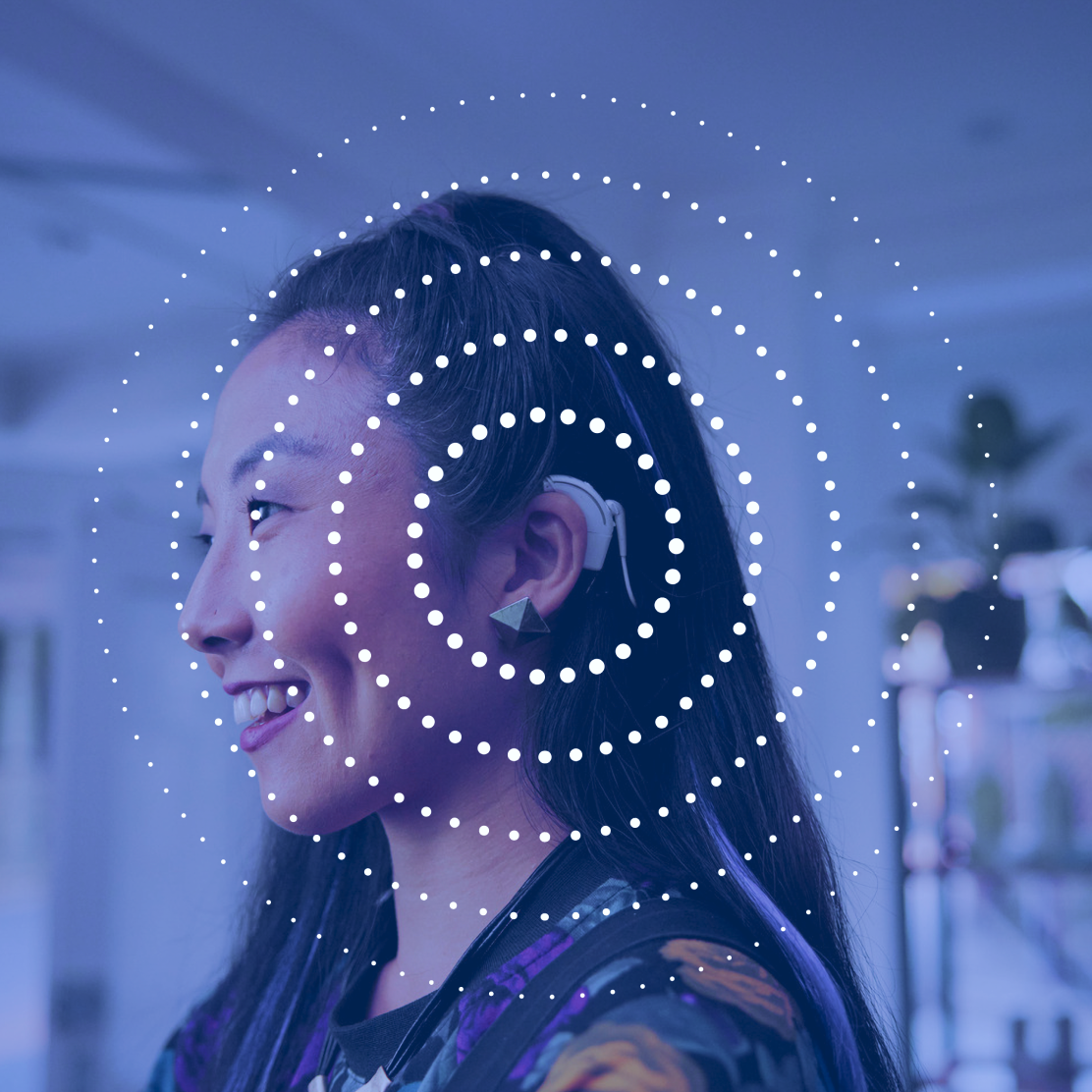
With ~20 million people worldwide relying on these technologies to reconnect with friends and family, the goal is to enable a robust and cost-effective technology that will unlock smart features in hearing implants and consumer hearable devices with hearing aid functionality to ensure large scale benefits.
To enhance hearing outcomes and overall acceptance of these devices, ST4H combines high-performance and low-power consuming MEMS microphone technologies, and ML/AI algorithms to implement context awareness, event identification and selective amplification/de-amplification.
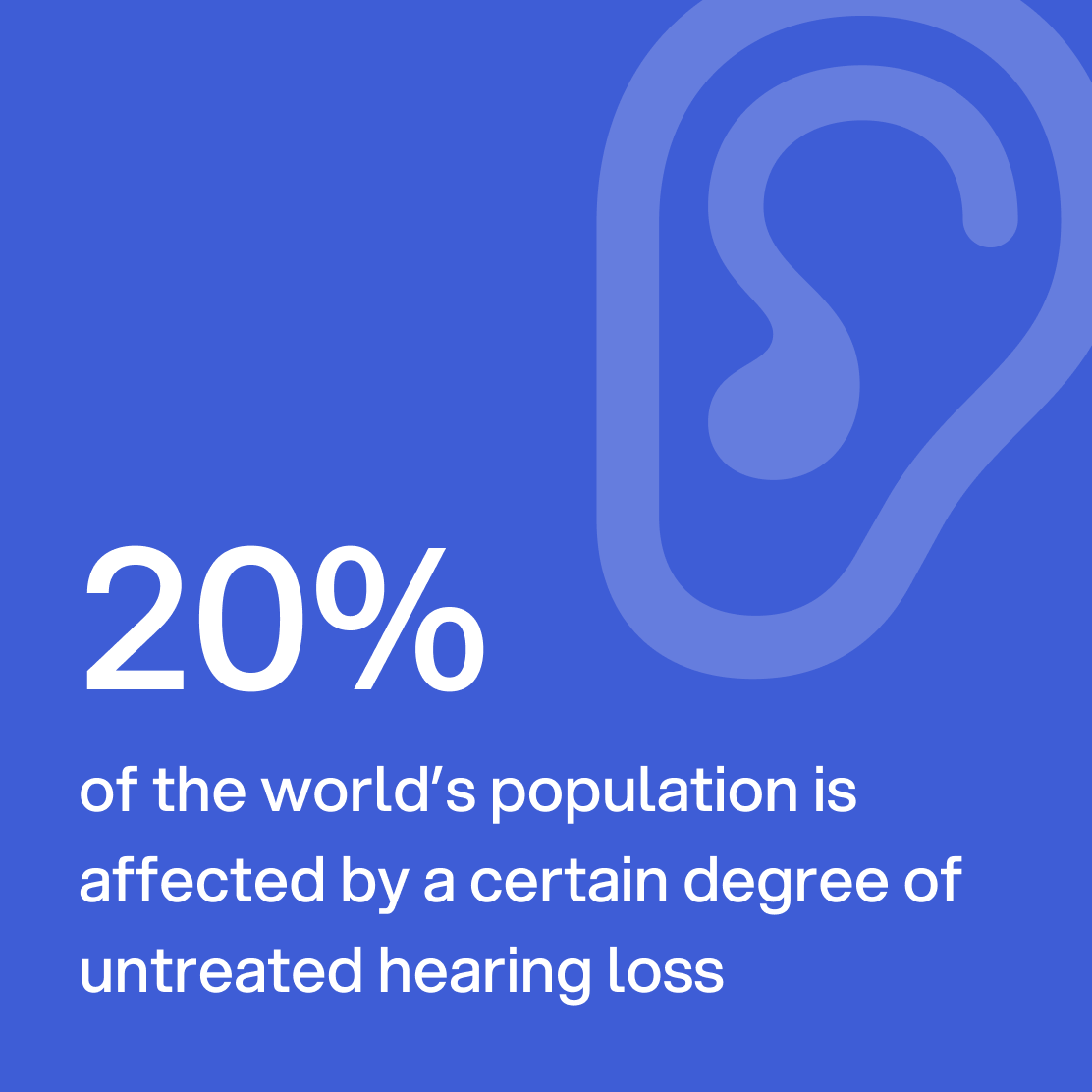
According to the World Report on Hearing (2021), approximately 20% of the world’s population is affected by a certain degree of untreated hearing loss, with age-related hearing loss tied to 8% of the dementia cases. Without intervention, these numbers are expected to skyrocket in the coming years. While moderate to profound hearing loss can be treated with hearing aids, more severe impairments can be addressed with hearing implants.
However, the acceptance of current hearing implants is affected by a lack of awareness, fear of surgery and excessive costs of surgical procedures ranging from ~€ 38,000-110,000 per implantation in children. This partly explains why hearing aids currently dominate the market for hearing support but only offer a sub-optimal amplification performance and, if at all, very rudimentary smart features at very high prices (€ 1,400-8,000/pair). For more severe cases of hearing loss, implantable hearing systems exist that rely on external (conventional) and implanted microphones (fully implantable) to capture environmental sound. Fully implantable devices eradicate the need of external microphones, thereby enabling “incognito” 24/7 hearing.
Research Goal
With ~20 million people worldwide relying on these technologies to reconnect with friends and family, the goal is to enter the emerging and fast-growing market of over-the-counter (OTC) hearing aids, integrated into more aesthetic and affordable wearable devices like earphones to ensure large scale benefits.
Currently limited in their capabilities, compared to medical grade devices, OTC hearing aids will tremendously benefit from increased sensitivity of microphones and state-of the-art ML and AI algorithms to implement context awareness, event identification and selective amplification/de-amplification- to significantly enhance the hearing outcomes and their overall acceptance.
Non-Intrusive Home Care

Status Quo
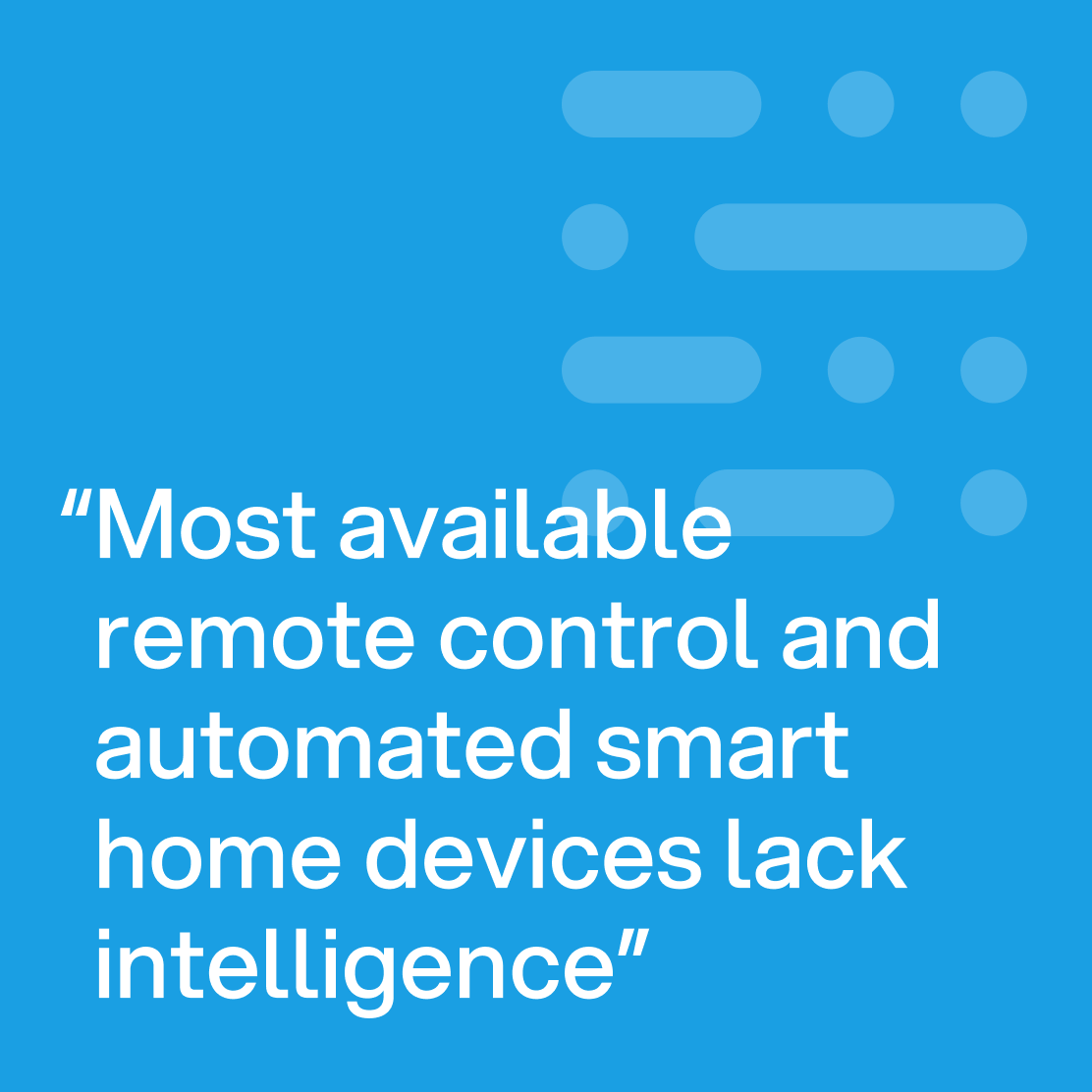
Context awareness holds great potential for home care applications by monitoring daily activities and behavior, beneficial for elderly care, or to improve general comfort and well-being. However, most currently available remote control and automated smart home devices lack intelligence, as the underlying computational models fail to combine different home devices or data sources.
Research Goal
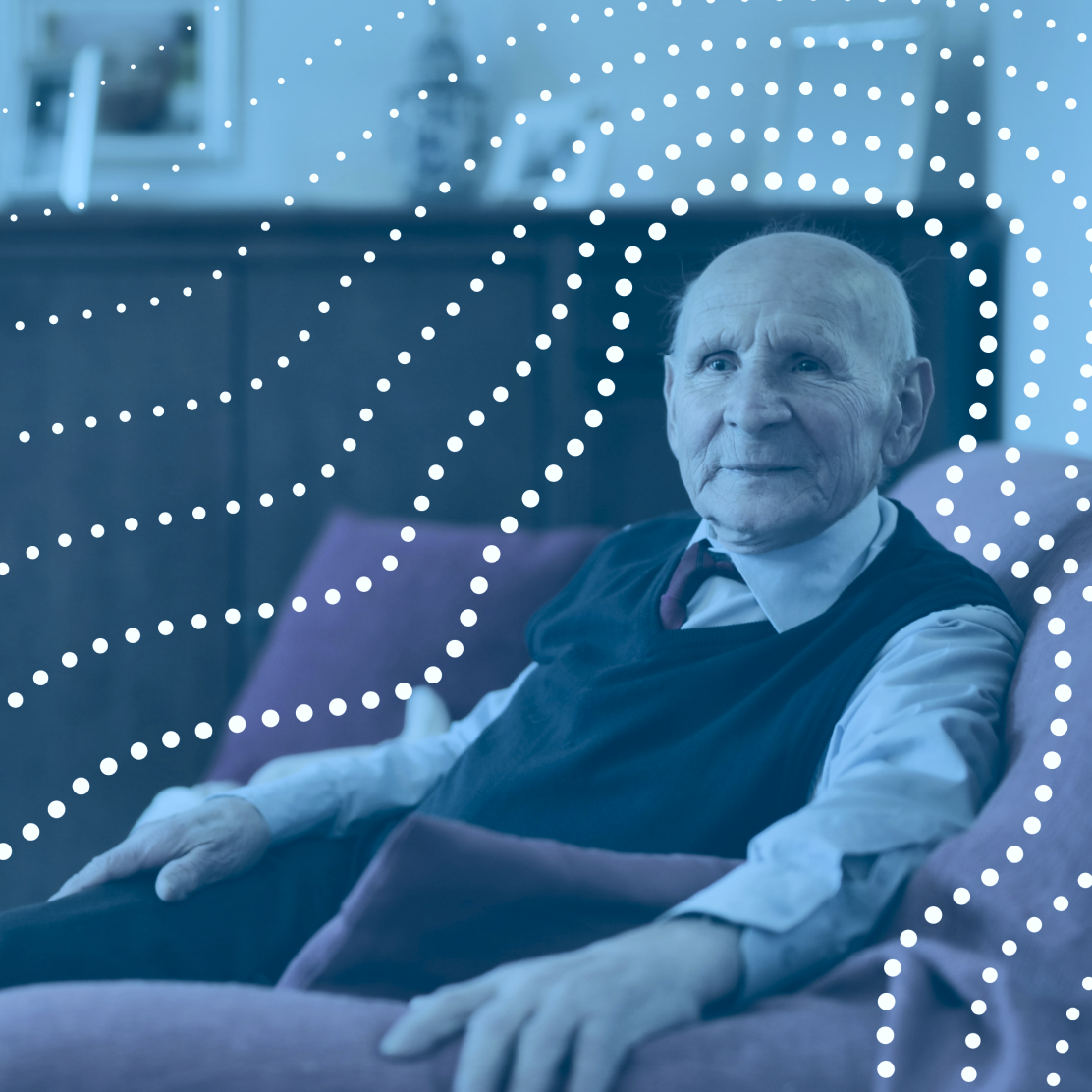
By using privacy-preserving embedded computations for sensor-data-fusion (on gateway or distributed services) to combine data from different sources, ST4H aims to achieve reliable context awareness for non-intrusive home care.
Furthermore, ML/AI algorithms based on sensor-fused data will allow better discrimination of different contexts, taking AI-based home care to the next level.
Health Monitoring

Status Quo
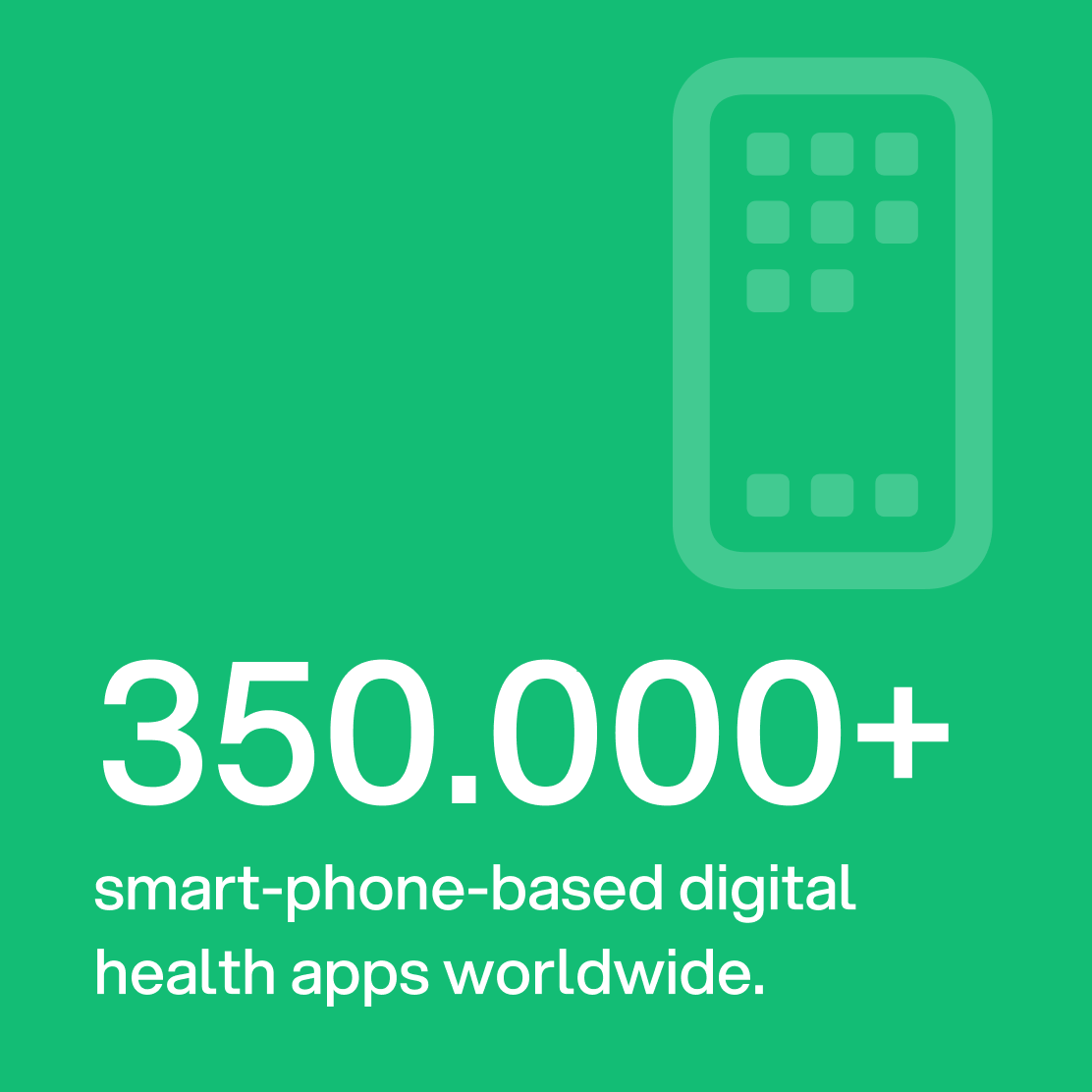
Air pollution is one of the main environmental concerns in Europe and worldwide, with outdoor and indoor air quality (IAQ) contributing similarly to the overall burden of disease. Conventional health monitoring practices, primarily confined to clinical settings, cannot continuously monitor constantly fluctuating health states. However, with evolving technology, personal health monitoring using wearable devices has gained tremendous popularity as reflected by the number of smart-phone-based digital health apps (>350,000 worldwide).
Research Goal
Conventional health monitoring practices, primarily confined to clinical settings, cannot continuously monitor constantly fluctuating health states. However, with evolving technology, personal health tracking using wearable devices has gained tremendous popularity as reflected by the number of smart-phone-based digital health apps (>350,000 worldwide). According to the “Sensors and Actuators for Wearables Report 2023” (Yole Intelligence), four main expected technology trends focus on: sensor-data-fusion, size and power reduction, non-invasive technologies and increased penetration of MEMS technology in medical and consumer health applications.
To provide comprehensive health monitoring, ST4H aims to upgrade a variety of wearable, bedside and smart home devices with newly developed MEMS microphones and gas sensors and combine their signals as additional biological and ambient parameters to continuously monitor health states. For example, daytime activity data can be linked to sleep data for holistic health monitoring, aiding risk assessment, and preventive measures. Such early risks can be identified as anomalies by using ML/AI algorithms to support physicians under time pressure.
Since health-related data is personal, data protection is a key and the devices need to be privacy compliant, a topic also within the focus of ST4H.

Sleep Monitoring

Status Quo
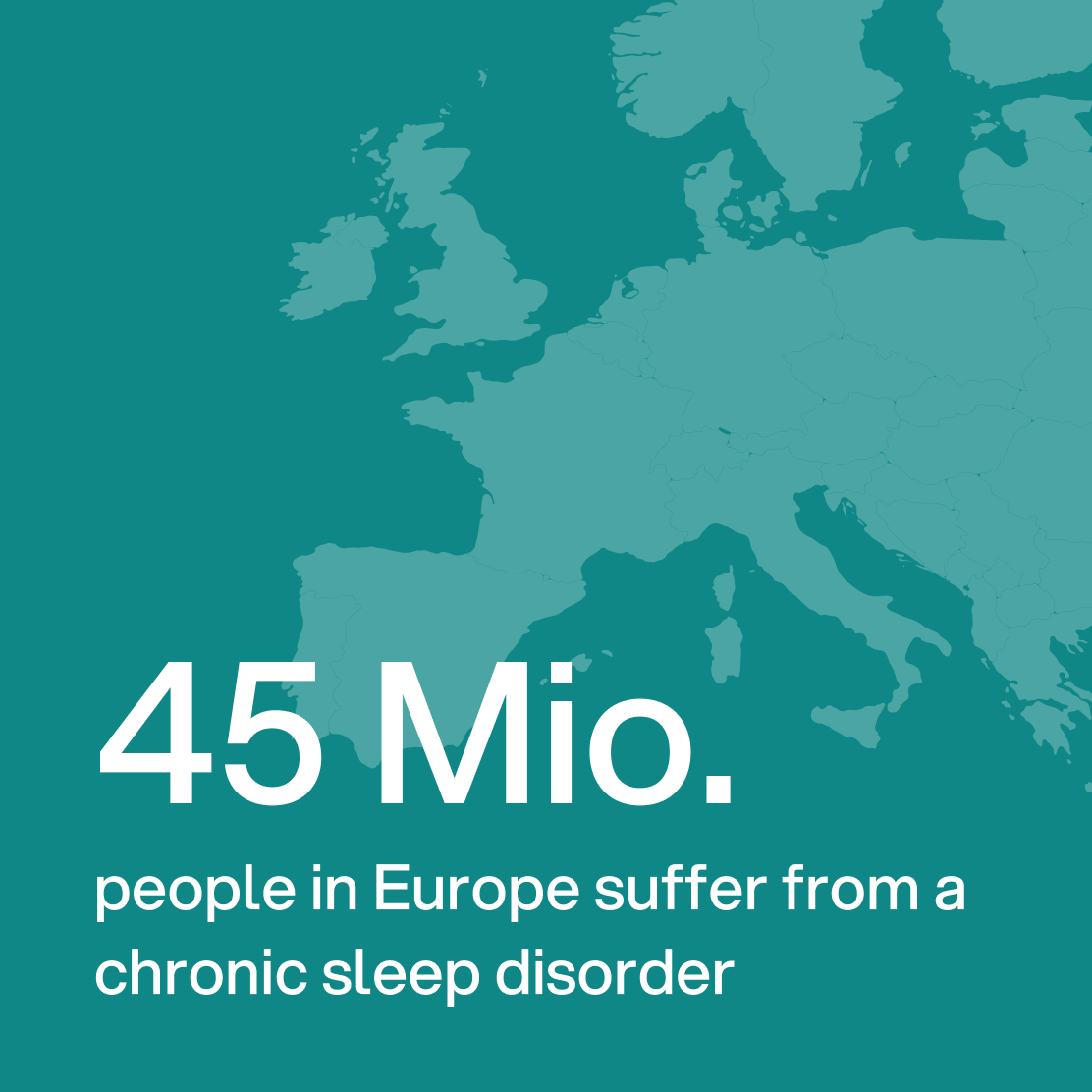
Sleep, a vital component of general health and well-being, is crucial for brain and overall physiological functions, impacting metabolism, appetite control, and operation of immune, hormonal, and cardiovascular systems. Despite its relevance, up to ~45 million people in Europe suffer from a chronic sleep disorder influencing daily performance and health.
An estimated 20% of European adults have sleep apnea, but 85% go undiagnosed. Untreated cases cost up to €32 billion annually in Italy alone. Monitoring daily sleep routines is therefore integral for monitoring personal health and well-being. Clinically, sleep apnea screening relies on questionnaires or full studies, with no easy alternative. While at consumer level, sleep-phase monitoring is a feature mostly offered either in wearable devices or smart phone-based apps, each offering varying levels of accuracy.
Research Goal

ST4H plans to combine signals from microphones and gas sensors, integrated into wearable and bedside devices to monitor ambient conditions and human outgassing while sleeping, as additional health-related parameters. Such devices can be smart-phones, wearables removed for charging, including cases of hearable devices.
“Smart fabrics” is another unique solution that ST4H also focuses on incorporating MEMS sensor technology (like gas sensors) into textiles to create products like bed linen and mattresses, potentially acting as bedside devices for measuring skin outgassing.
ST4H offers another unique solution: “Smart fabrics” by integrating MEMS technology (like gas sensors) into textiles to create products like bed linen and mattresses, potentially acting as bedside devices for measuring skin outgassing. ML-based fusion of such multi-dimensional data gathered from different sensing modalities can be valuable in developing sleep-apnea screening and monitoring solutions but also monitoring sleep quality as a biomarker for personal health.
Project Partners
Bosch Sensortec GmbH
Bosch Sensortec GmbH, a wholly owned subsidiary of Robert Bosch GmbH, develops and markets a broad portfolio of MEMS sensors and solutions for applications in smartphones, tablets, wearables, AR/VR devices, drones, robots, smart homes and the Internet of Things.
With a focus on providing best-in-class sensor solutions in terms of customer focus, quality and reliability, performance, sustainability and competitiveness. Bosch Sensortec is one of the world's largest suppliers of sensor system solutions for complex functionality and high accuracy. Its technical expertise ranges from MEMS and ASIC design to complete sensor systems. The product portfolio includes 3-axis accelerometers, gyroscopes and geomagnetic sensors, integrated 6- and 9-axis sensors, environmental sensors, optical microsystems and associated software solutions.
Since its formation in 2005, Bosch Sensortec has become the technology leader in the CE markets it serves. Bosch has been a pioneer and world leader in MEMS technology since 1995.
| Country | Germany |
| Website | www.bosch-sensortec.com |
PulseOn Oy
PulseOn is a health tech device manufacturer solving the problem of undiagnosed atrial fibrillation (AFib). A pioneer in optical heart rate (OHR) technology, PulseOn is a high-tech company specialized in arrhythmia detection devices and analysis software for professional medical use. PulseOn’s complete and connected end-to-end solution is based on unique expertise gained through vast research and development trying to solve the problem of the complexity to detect and monitor arrhythmias. PulseOn solution is changing the future with an easy-to-use solution driving significant improvements in diagnosis and cost burden. The company seeks to expand its offering and accelerate the development of medical grade sleep apnea screening and monitoring based on SpO2 with a wearable device. PulseOn is a privately owned company founded in 2012 and headquartered in Finland.
| Country | Finland |
| Website | www.pulseon.com |
Universitätsklinikum Freiburg
Universitätsklinikum Freiburg is a tertiary care university hospital with 2180 beds and nationally and internationally excellent research.The section of psychiatric sleep medicine at the University Clinic for Psychiatry and Psychotherapy is an accredited sleep lab with over 30 years of expertise in sleep disorder diagnostics and therapy. It is part of the Freiburg Center for Sleep Medicine, which also covers pediatric sleep and pulmonology, while the focus of the section of psychiatric sleep medicine is in the treatment of other sleep disorders, with the most prevalent being insomnia.
| Country | Germany |
| Website | www.uniklinik-freiburg.de |
VSParticle B.V
VSParticle is an equipment OEM supplying nanoparticle synthesis and deposition equipment based on a completely liquid-free (dry) process. VSParticle’s equipment enables manufacturing of nano-porous thin films suitable for a broad range of applications, including gas sensors, electrocatalysis and batteries. VSParticle’s equipment converts bulk materials (metals and semiconductors) into a nano-porous thin film in a single step, which significantly reduces the costs of producing these thin films. Because the process is liquid-free (no solvents required) it is more sustainable than existing processes and results in very pure (clean) and porous thin films, resulting in higher performance. Besides developing mass production equipment, VSParticle provides R&D equipment for the accelerated development of novel functional materials.
| Country | Netherlands |
| Website | vsparticle.com |
Saarland University
USAAR will focus on measuring VOC emitted from skin at low concentrations with high selectivity with novel gas sensing layers and advanced operating modes. Additional research will address multimodal sensor fusion based on AI and ML. Novel information from skin emissions together with vital parameters from existing sensors in wearable devices will allow a reliable estimate of well-being.
University
Saarland University was founded in 1948 as a bilingual university under the auspices of the French government. The university has earned an international reputation for its research in computer science and informatics and for work in the life sciences and nanosciences. The university is distinguished by its close ties to France and its strong European focus. With its pronounced international focus and its strong ties to universities in Europe and around the world, Saarland University is more international than almost any other medium-sized German university. A distinctive feature of Saarland University is the broad range of cross-border academic programmes that lead to a double-degree qualification or even to a triple-degree qualification if a third foreign partner institution is involved. Many of the university departments collaborate closely with one another in both teaching and research. Close cooperative ties also connect Saarland University's scientists and researchers with universities around the world as well as with the many external research institutes located on and around the Saarbrücken campus. All of the major German scientific organizations are represented on campus, including two institutes of the Max Planck Society, two institutes within the Leibniz Association, two Fraunhofer institutes of applied research, a Helmholtz research centre and a Helmholtz institute.
Lab for Measurement Technology
Our research is focused on smart sensor systems for the measurement of chemical quantities as well as for industrial process monitoring. In the field of chemical sensors, we address gas and liquid phase and utilize both chemical and physical effects. We combine (micro) sensors with microelectronics for operation and read-out as well as with application-specific signal processing concepts to realize complex measurement systems. A specific focus topic is the development of automatable methods of machine learning in order to extract the desired, physically interpretable information from complex sensor patterns. Main areas of application are quality control, environmental and safety technology, renewable energy / energy efficiency and condition monitoring of mechatronic systems.
| Country | Germany |
| Website | www.lmt.uni-saarland.de |
Robert Bosch GmbH
The Bosch Group is a leading global supplier of technology and services. It employs roughly 420,000 associates worldwide (as of December 31, 2022). According to preliminary figures, the company generated sales of 88.4 billion euros in 2022. Its operations are divided into four business sectors: Mobility Solutions, Industrial Technology, Consumer Goods, and Energy and Building Technology.
As a leading IoT provider, Bosch offers innovative solutions for smart homes, Industry 4.0, and connected mobility. Bosch is pursuing a vision of mobility that is sustainable, safe, and exciting. It uses its expertise in sensor technology, software, and services, as well as its own IoT cloud, to offer its customers connected, cross-domain solutions from a single source. The Bosch Group’s strategic objective is to facilitate connected living with products and solutions that either contain artificial intelligence (AI) or have been developed or manufactured with its help. Bosch improves quality of life worldwide with products and services that are innovative and spark enthusiasm. In short, Bosch creates technology that is “Invented for life.” The Bosch Group comprises Robert Bosch GmbH and its roughly 440 subsidiary and regional companies in some 60 countries. Including sales and service partners, Bosch’s global manufacturing, engineering, and sales network covers nearly every country in the world. The basis for the company’s future growth is its innovative strength. At 128 locations across the globe, Bosch employs some 85,000 associates in research and development, of which nearly 44,000 are software engineers.
At Bosch Research, we concentrate on six key areas: automation, digitalization and connectivity, artificial intelligence, electrification, climate action and sustainability and healthcare. The focus is on researching and developing new technologies and concepts to support the Bosch divisions in product development. Each of the nine research sites specializes in those research fields that match the scientific and technological profile of the particular region and the local Bosch divisions. The fact that the business units are heavily involved in our research projects allows close cooperation from basic research through to product development.
| Country | Germany |
| Website | www.bosch.com |
Cochlear Technology Centre Belgium
Cochlear has been leading the market in implantable hearing solutions for over the past 40 years. The company aims to deliver value by helping more people to hear, which contributes to building a healthier and more productive society. The company strategy is focused on improving awareness of and access to implantable hearing solutions for people indicated for Cochlear products.
Over the past 40 years Cochlear helped over 700,000 people to hear with one – or two – of our implantable solutions, delivering a lifetime of hearing solutions for recipients, with sound processor upgrades and services to support prior generation products
Cochlear pioneers and leads the development, manufacture and commercialisation of implantable hearing solutions, collaborating in over 100 research programs worldwide to further research into hearing loss. The company invests around 12% of sales revenue each year in research and development (R&D), with over $3 billion invested since listing, and has a portfolio of more than 2,300 patent and patent applications worldwide. The Cochlear Technology Centre in Belgium will be involved in SensorTech4Health. The CTCB group is part of the Cochlear R&D department, and houses the largest group of researchers outside of Australia.
| Country | Belgium |
| Website | www.cochlear.com |
Intervall Beratung GmbH
Intervall is a Stuttgart-based service provider in the field of digital product development. Our unique approach merges methods from design and computational thinking to conceptualize, design and implement (digital) products for our clients.
We have multi-year, multi-project experience with motion sensors and AI-enabled gas sensors. For our customer Bosch we developed BME AI-Studio, a full-blown software ecosystem around machine learning solutions for AI-enabled gas sensors. We also developed multiple AI-enabled gas sensor algorithms to detect indoor smoldering and wild fires as well as early prototypes for detecting sleep phases.
Our team consists of internal and external experts with deep knowledge in design and computation. In the field of AI our team has an interdisciplinary background from AI-enabled gas sensing to medical (radiologic) image classification to LIDAR-based automated driving and quantum physics.
Technologically, we use a variety of machine learning algorithms and tools – we are well-versed in both classic ML algorithms for classification and regression as well as deep neural networks. Our team is proficient in PyTorch, TensorFlow, Rust, and Wolfram Language, demonstrating our adaptability and commitment to using the best tools for each project. In addition, we do this by building automated machine learning pipelines. This includes complex model handling and advanced source code versioning, ensuring that our AI solutions are both robust and efficient.
We work with our customers on sustainable and long-term pre-development and research projects, building intensive and trusting relationships. Our reputation is based on in-depth expertise and a high level of innovation. Quality and reliability are decisive factors for us, as we build up new customers mainly through recommendations. We are flexible and can adapt quickly to specific customer needs and challenges.
| Country | Germany |
| Website | www.intervall.io |
ST4H is labelled by the EUREKA Cluster Xecs and is publicly funded.


About Xecs and Eureka
Xecs is an EUREKA Cluster whose purpose is to catalyse research, development, and innovation in areas of micro and nanoelectronics enabled systems, sub-systems, and applications. Guided by the Electronic Components & Systems (ECS) Strategic Research and Innovation Agenda (SRIA) key application areas and essential capabilities, the Xecs programme enable the development of electronic solutions to help drive the digital economy through the formation of collaborative ecosystems along the ECS value chain.
This creates the opportunity for rapid competitive exploitation and a strong impact on European societal challenges. Xecs support SMEs, large corporations, research organisations and universities to work together in project consortia by facilitating access to funding, fostering collaborative work, and creating consortia in areas of mutual industrial and National interest. Xecs is operated by AENEAS.
More on Xecs: eureka-xecs.com
More on AENEAS: aeneas-office.org
National Funding Authorities
SensorTech4Health is publicly funded by the national funding authorities BMFTR, Rijksdienst voor Ondernemend Nederland and Business Finland.